
Knowledge Center
Understanding Low E, VLT, and Glass Performance: A Beginner's Guide
Estimated Reading Time: 10 Minutes
Quick Answer
Low E, VLT, and glass performance describe different characteristics of a window.
Low E refers to a low emissivity coating designed to influence radiant heat transfer through glazing.
VLT, or Visible Light Transmission, describes how much visible light passes through the glazing.
Glass performance is a broader term that can include visible light, solar energy, heat transfer, coatings, and the construction of the complete window system.
Understanding the difference between these concepts helps window film professionals interpret glazing information correctly instead of treating every measurement as if it describes the same thing.

Start With the Glass, Not the Terminology
If you are new to window film or glazing, technical specifications can feel like another language.
VLT.
Low E.
U Value.
SHGC.
Solar transmission.
Reflectance.
Emissivity.
You may see several percentages and ratings on the same specification sheet without immediately understanding what each one tells you.
That is normal when you are learning.
The important thing is not to memorize every term at once.
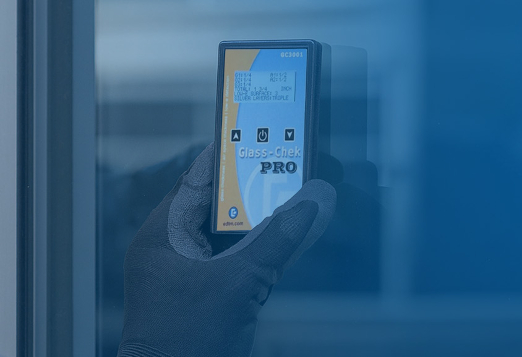
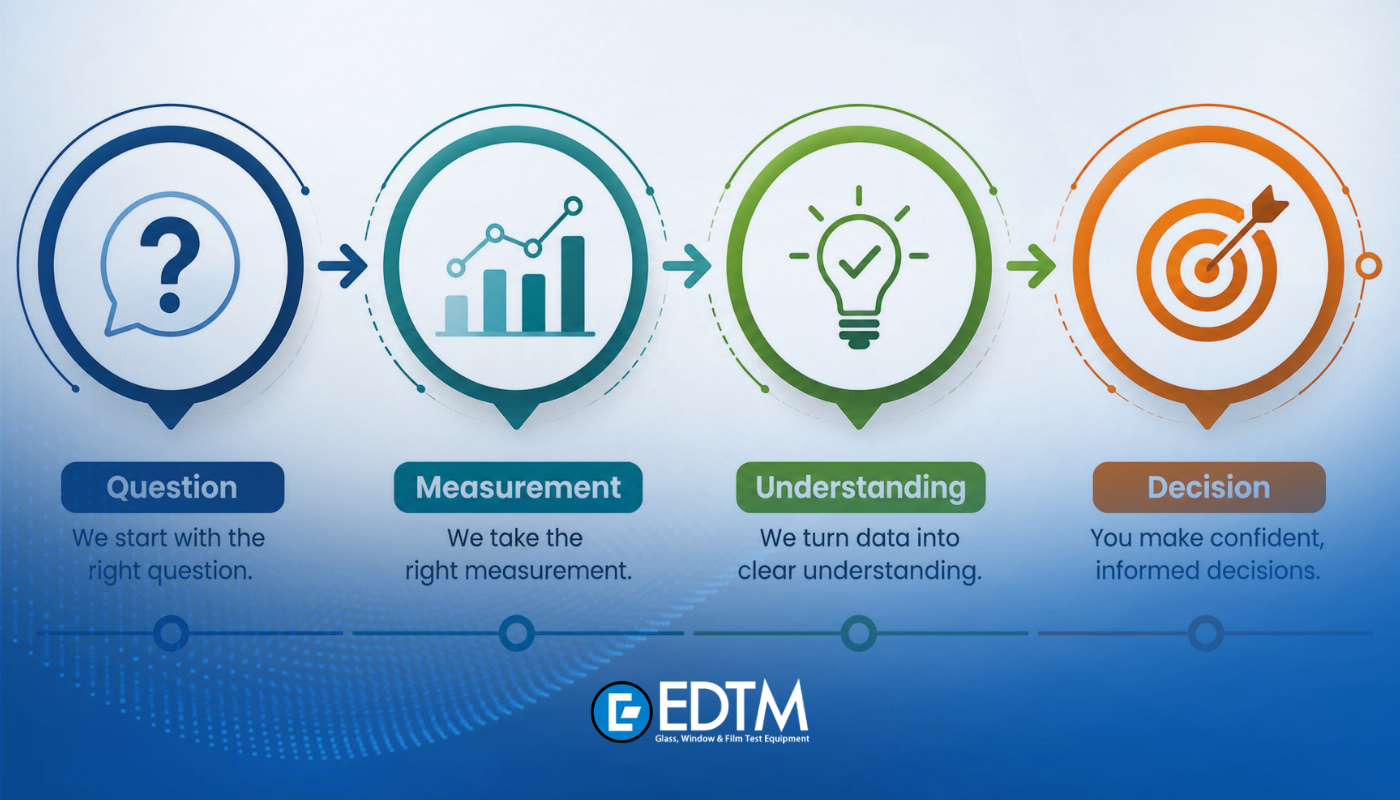
Start by understanding the question each measurement is trying to answer.
For example:
How much visible light passes through this window?
That is different from asking:
Does this glass have a Low E coating?
And both are different from asking:
How does this complete window perform when exposed to solar energy and temperature differences?
Once you separate those questions, the terminology becomes much easier to understand.
What Does Low E Mean?
Low E stands for low emissivity.
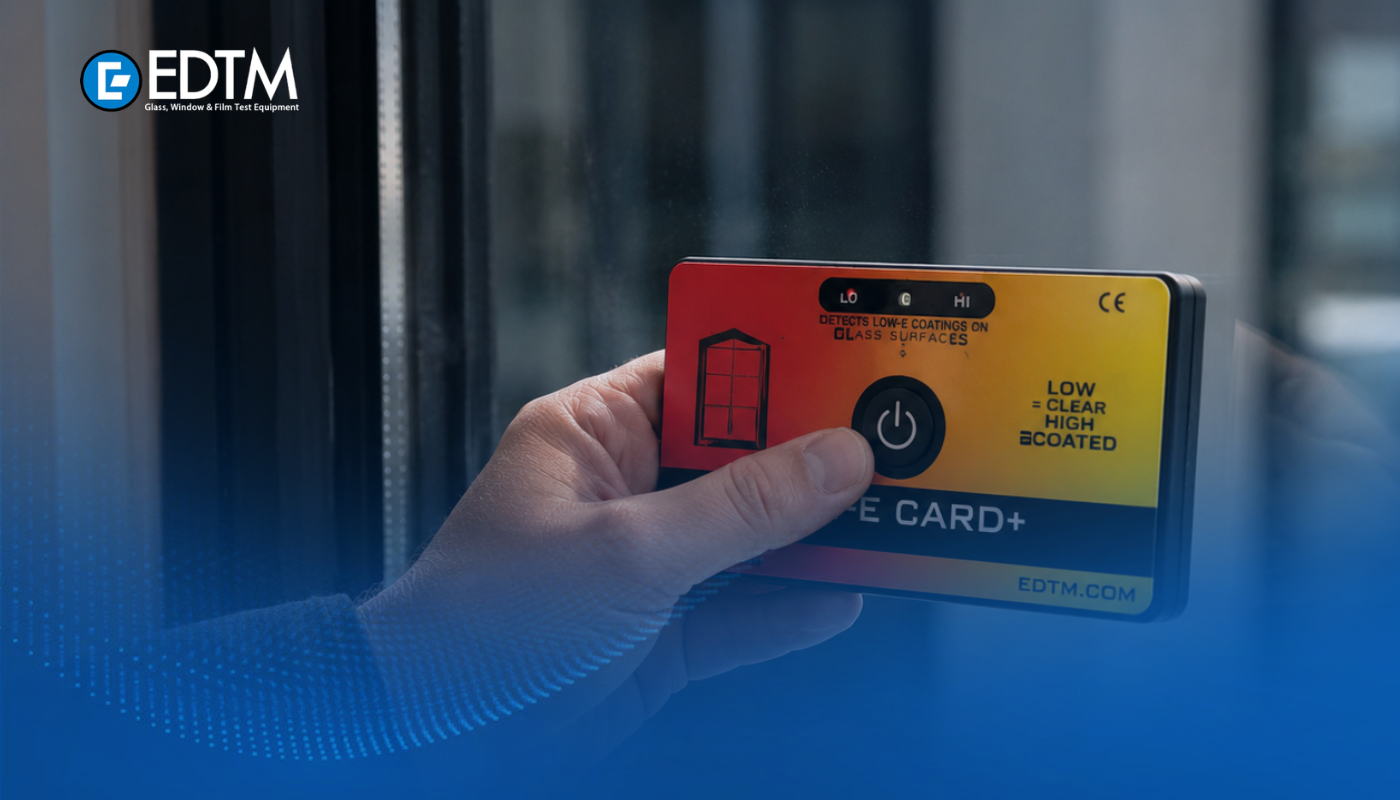
A Low E coating is a very thin coating applied to glass to influence the transfer of radiant heat.
Depending on the glazing design, Low E technology can be used as part of a window system intended to improve thermal performance.
The important point for beginners is this:
Low E does not simply mean dark glass.
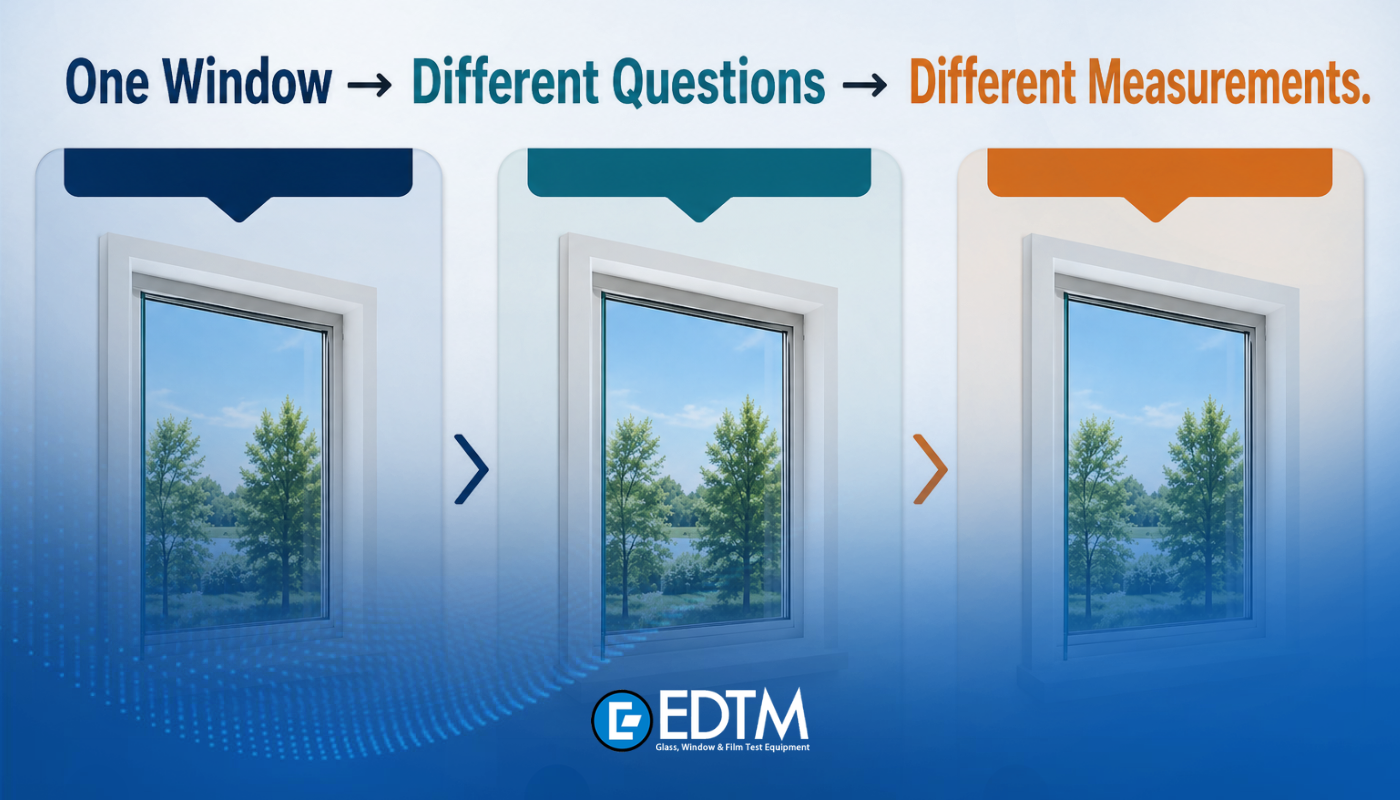
In fact, many Low E coatings can be difficult to recognize by appearance alone.
A window may look clear while still containing a Low E coating.
That is why professionals should not assume they can identify Low E glass simply by looking at it.
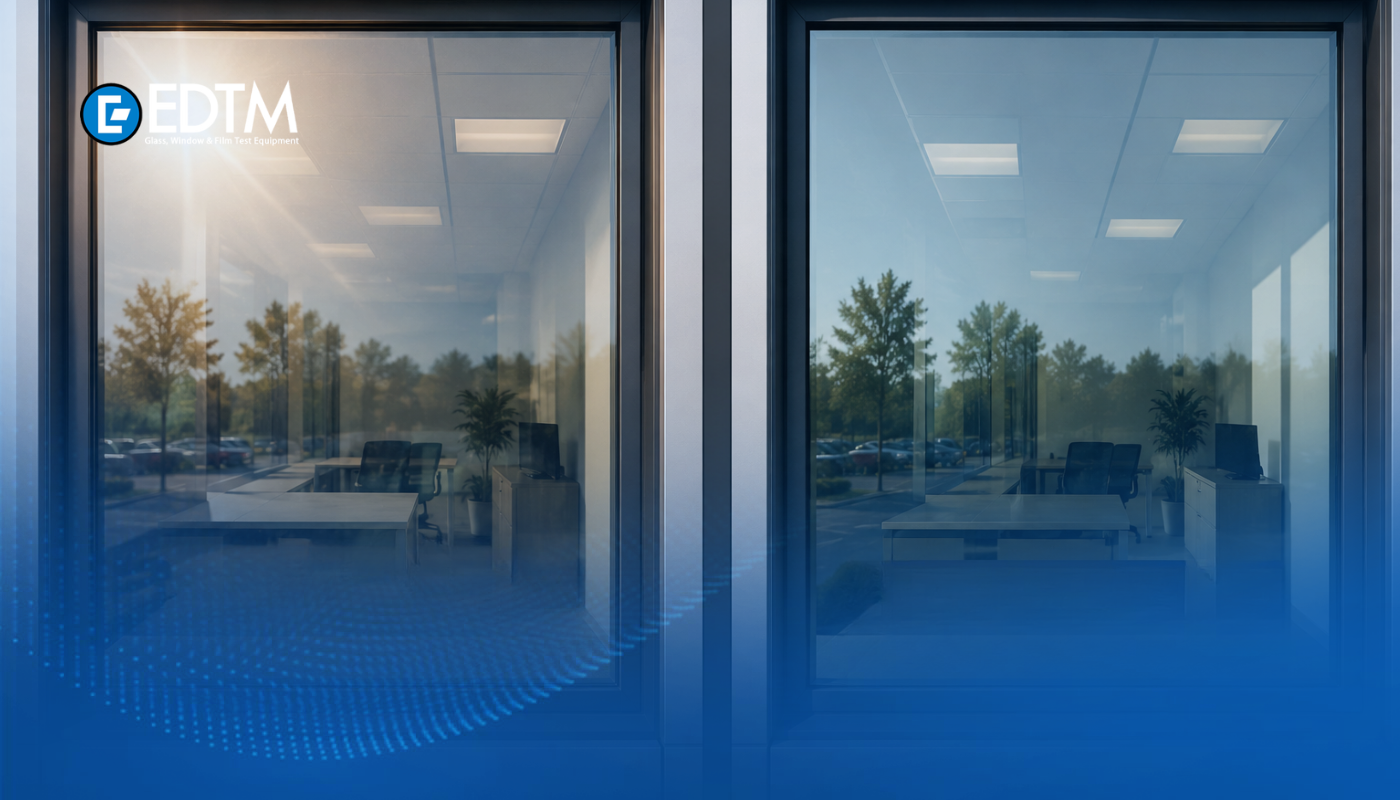
When identifying the coating matters to an assessment, an appropriate diagnostic method should be used.
How to Identify Low E Glass Windows
Why Should a Window Film Professional Care About Low E?
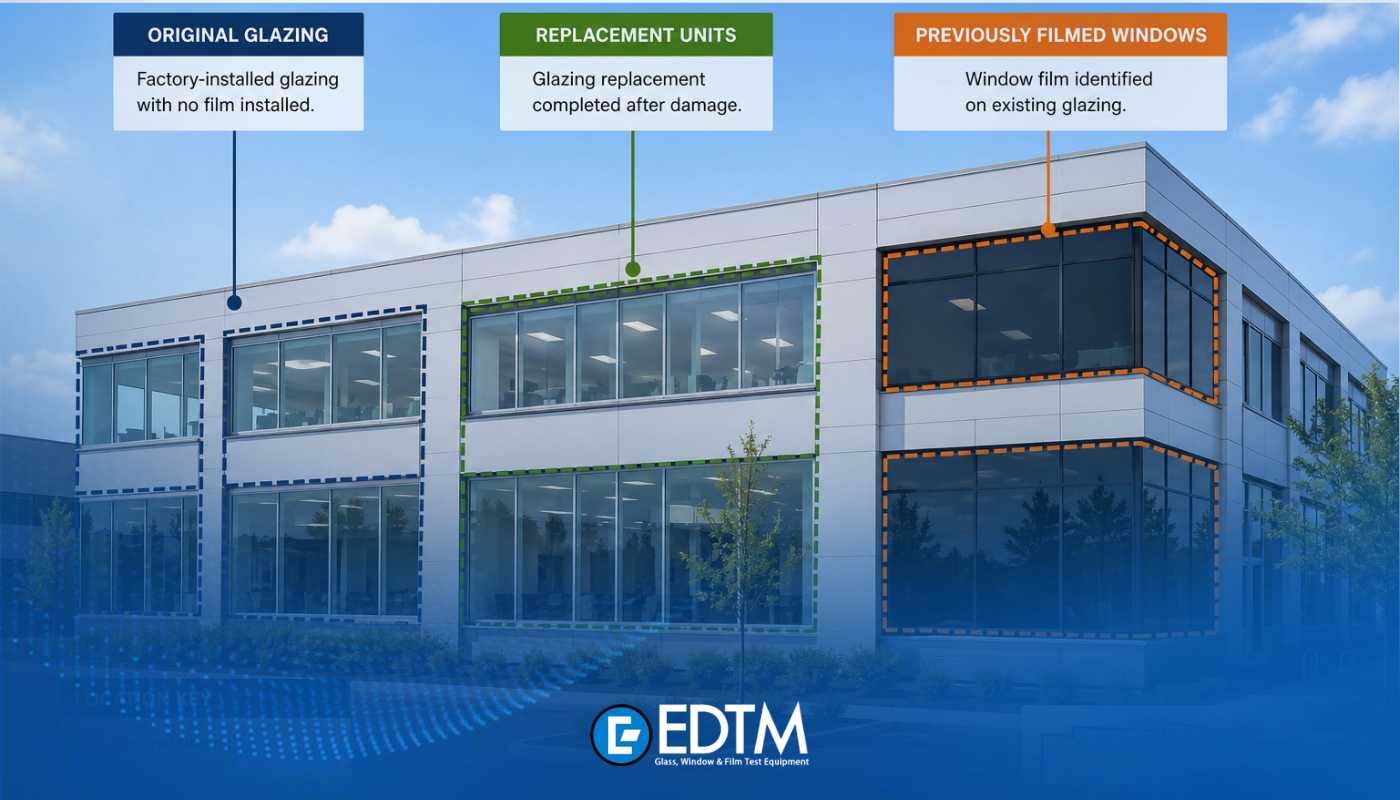
Because window film becomes part of an existing glazing system.
Before recommending a film, you should understand what is already there.
Knowing whether Low E is present provides information about the glazing you are working with and can help support a more complete assessment before product selection.
It is particularly important when the glazing configuration is unknown or when original building documentation is unavailable.
The objective is not simply to find a coating.
The objective is to understand the window well enough to make an informed decision about what happens next.
What Is VLT?
VLT stands for Visible Light Transmission.
It describes the percentage of visible light that passes through glazing.
The concept is relatively simple.
If more visible light passes through the window, the VLT is higher.
If less visible light passes through, the VLT is lower.
For example, imagine two pieces of glazing.
One allows a large amount of daylight to pass through.
The other appears noticeably darker.
The darker glazing would generally have a lower VLT.
But there is an important lesson here.
Do not rely on your eyes to determine the actual number.
Lighting conditions, glass color, existing window film, reflections, and the surrounding environment can all influence how a window appears.
When an actual VLT value is required, measure it.
Why VLT Matters in Window Film
Window film can change the amount of visible light passing through a window.
That makes VLT an important concept when discussing appearance, daylight, and certain regulatory or specification requirements.
A customer may say:
"I want to reduce glare, but I don't want the room to feel too dark."
That is not just a color preference.
It is a conversation where understanding visible light can help.
Rather than relying entirely on descriptions such as "light," "medium," or "dark," VLT provides a measurable way to discuss how much visible light passes through the glazing.
Low E and VLT Are Not the Same Thing
This is one of the most important distinctions for beginners.
Low E describes a coating characteristic.
VLT describes visible light transmission.
They answer different questions.
A VLT measurement does not automatically tell you whether a Low E coating is present.
Likewise, identifying Low E does not tell you everything about the amount of visible light passing through the window.
Think of it this way:
| Question | Concept |
|---|---|
| Does this glazing contain a low emissivity coating? | Low E |
| How much visible light passes through this glazing? | VLT |
| How does the window manage a wider range of energy and heat transfer? | Overall glass or window performance |
Understanding these differences prevents one measurement from being used to answer a question it was never designed to answer.
What Do We Mean by Glass Performance?
Glass performance is broader than a single number.
A window interacts with light and energy in several ways.
Some energy passes through.
Some is reflected.
Some is absorbed.
Heat can also move through a glazing system because of temperature differences between indoors and outdoors.
The construction of the window influences these behaviors.
That may include:
- Number of panes
- Glass thickness
- Coatings
- Tints
- Air or gas spaces
- Window film
- Frame and overall window construction
This is why professionals should be careful about describing an entire window based on one measurement.
A VLT reading tells you something useful.
Low E detection tells you something else.
Glass thickness provides another piece of information.
Together, those findings can help build a clearer understanding of the glazing.
Think of Glass Testing as Asking Questions
For beginners, this is one of the easiest ways to understand diagnostic equipment.
Do not start with:
"What does this meter do?"
Start with:
"What question am I trying to answer?"
If you want to know how much visible light passes through the glazing, investigate VLT.
If you want to know whether Low E is present, investigate the coating.
If you need to understand glass thickness or construction, use an appropriate method for that question.
The tool follows the question.
Not the other way around.
That simple habit will make the more advanced parts of glass diagnostics much easier to learn.
Understanding the Rest of the Window Performance Picture
Low E and VLT are useful starting points, but they do not describe everything happening at a window.
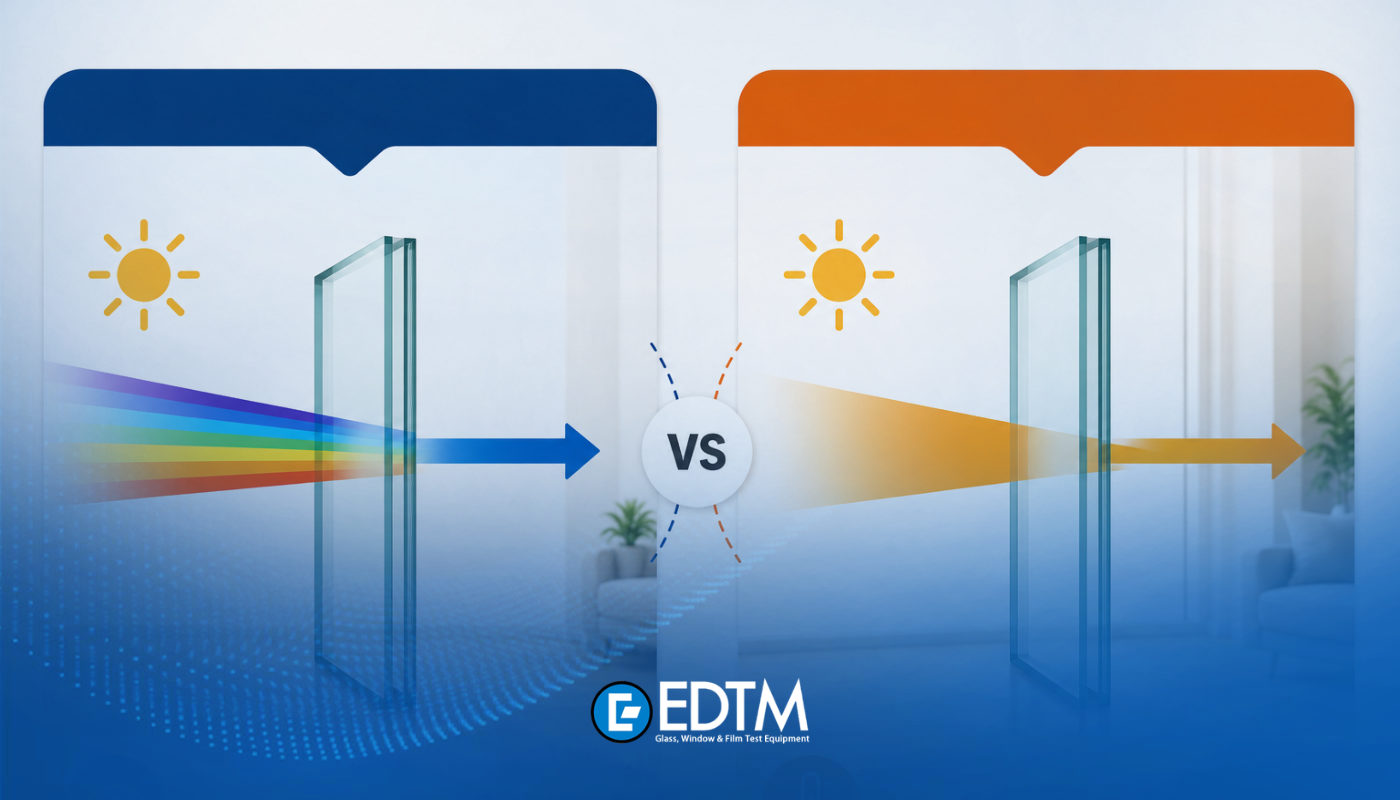
Sunlight reaches glass as solar energy.
Some of that energy passes through the glazing.
Some is reflected away.
Some is absorbed by the glass and other components of the glazing system.
At the same time, heat can move through the window because indoor and outdoor temperatures are different.
This is why window performance cannot usually be described accurately with one percentage or measurement.
Different values describe different parts of the picture.
For beginners, the easiest approach is to learn what question each value helps answer.
What Is Solar Transmission?
Solar transmission describes the portion of incoming solar energy that passes directly through the glazing.
This is broader than visible light alone.
That distinction matters.
A window can transmit visible light while interacting differently with other parts of solar energy.
This is one reason VLT should not be treated as a complete measurement of solar performance.
Remember:
VLT asks how much visible light passes through.
Solar transmission looks at transmitted solar energy more broadly.
They are related concepts, but they are not interchangeable.
What Is Solar Reflection?
Not all incoming solar energy passes through the window.
Some is reflected away from the glazing.
Solar reflection describes this portion.
You may notice that some windows appear more reflective than others, particularly when viewed from outside.
However, appearance alone does not provide an accurate measurement of solar reflection.
The technical value should come from appropriate product specifications or measurement methods rather than visual estimation.
For beginners, the key lesson is that reflection represents another possible path for incoming solar energy.
What Is Solar Absorption?
Some incoming solar energy is absorbed by the glazing system.
This energy can increase the temperature of the glass.
Absorption deserves particular attention in window film applications because adding film changes the way the glazing system interacts with solar energy.
That does not mean a higher or lower absorption value is automatically good or bad.
It means absorption needs to be understood within the complete glazing system and the specific product application.
This is also why film selection should follow the film manufacturer's compatibility guidance for the glass being treated.
Transmission, Reflection, and Absorption Work Together
A simple way to picture solar energy at a window is:
Incoming Solar Energy → Transmitted + Reflected + Absorbed
These three concepts describe different ways solar energy interacts with the glazing.
For beginners, you do not need to start by memorizing formulas.
Instead, understand what each word means.
Transmission: Energy passes through.
Reflection: Energy is reflected away.
Absorption: Energy is absorbed by the glazing system.
Once you understand those three ideas, many window film specifications become much easier to read.
What Is Solar Heat Gain Coefficient?
Solar Heat Gain Coefficient, usually abbreviated as SHGC, describes the fraction of incident solar radiation that enters through a window as heat gain.
This includes solar energy transmitted directly through the glazing as well as absorbed solar energy that is subsequently released inward.
SHGC is generally expressed as a number between 0 and 1.
A lower SHGC indicates that less solar heat gain enters through the window.
A higher SHGC indicates greater solar heat gain.
For example, when evaluating windows for a building that experiences excessive solar heat, SHGC may be one of the values considered when understanding the overall performance of the glazing system.
The important beginner lesson is:
SHGC is about solar heat gain through the window.
It is not the same as VLT.
What Is U Value?
U Value addresses a different question.
Instead of focusing on solar energy from the sun, U Value describes the rate of heat transfer through a building component due to a temperature difference between indoors and outdoors.
In simple terms, it helps describe how readily heat moves through the window assembly.
A lower U Value generally indicates better insulating performance.
This becomes particularly relevant when considering overall window energy performance.
For example, a window may need to manage solar heat during warmer conditions while also limiting heat transfer between the interior and exterior when temperatures differ.
These are related energy concerns, but they are not measured in the same way.
SHGC and U Value Answer Different Questions
These two terms are often discussed together, but they should not be confused.
| Measurement | Basic Question |
|---|---|
| VLT | How much visible light passes through? |
| Low E | Is a low emissivity coating present? |
| Solar Transmission | How much incoming solar energy passes directly through? |
| Solar Reflection | How much incoming solar energy is reflected? |
| Solar Absorption | How much incoming solar energy is absorbed? |
| SHGC | How much solar heat gain enters through the window? |
| U Value | How readily does heat transfer through the window because of a temperature difference? |
This table is worth remembering.
Not because you need to memorize every technical definition immediately.
Because it reinforces one principle:
Different measurements answer different questions.
What About Infrared and Ultraviolet Energy?
Visible light is only one portion of the solar spectrum.
Window film professionals may also encounter discussions about infrared and ultraviolet energy.
Ultraviolet
Ultraviolet radiation is commonly discussed in relation to fading and material degradation.
Window film specifications may include information about UV performance.
However, fading is influenced by multiple factors, so UV performance should not automatically be presented as a complete measurement of fade protection.
Infrared
Infrared measurements are often discussed when describing heat related performance.
However, professionals should be careful when comparing infrared rejection claims because measurement methods and wavelength ranges may differ between manufacturers or instruments.
A percentage without context does not always tell the complete story.
When comparing technical specifications, make sure you understand what was measured and how the value was determined.
Avoid Turning One Number Into the Whole Story
Customers naturally like simple numbers.
"Blocks this much heat."
"Allows this much light."
"Rejects this much infrared."
Those statements are easy to understand.
But glass performance is more complicated.
A single value may describe one characteristic very well while telling you very little about another.
For example:
A VLT value describes visible light transmission.
It does not tell you the U Value.
A Low E detector can help identify a coating.
It does not provide the entire solar performance of the window.
An infrared measurement provides information about a defined portion of the spectrum.
It should not automatically be treated as a complete measurement of total solar heat performance.
Good technical communication means explaining the number without asking it to mean more than it actually does.
Translate Specifications Into Questions
When you encounter an unfamiliar specification, ask what it is actually telling you.
Instead of seeing:
VLT: [VALUE]
Think:
How much visible light passes through?
Instead of:
SHGC: [VALUE]
Think:
How much solar heat gain enters through this window?
Instead of:
U Value: [VALUE]
Think:
How readily does heat transfer through this window because of the temperature difference?
This makes technical specifications easier to understand and eventually easier to explain to customers.
You Do Not Need to Memorize Everything
If you are new to the industry, seeing seven or eight different performance values can feel overwhelming.
Do not try to become an expert overnight.
Start with the fundamentals.
Understand VLT.
Understand what Low E means.
Learn the difference between transmission, reflection, and absorption.
Then introduce SHGC and U Value.
As your experience grows, you can develop a deeper understanding of how these characteristics interact within different glazing systems.
The goal of training is not memorization.
It is understanding enough to know what the numbers mean, why they matter, and when you need more information.
Beginner's Glass Performance Reference Guide
You do not need to memorize every technical specification to begin understanding glass performance.
Start by learning what question each term answers.
Use this reference guide when reviewing glazing information, window film specifications, or training materials.
| Term | What It Means in Simple Terms | Question It Helps Answer |
|---|---|---|
| Low E | A low emissivity coating used as part of a glazing system to influence radiant heat transfer | Does the glass have a Low E coating? |
| VLT | Visible Light Transmission | How much visible light passes through? |
| Solar Transmission | Solar energy transmitted directly through the glazing | How much incoming solar energy passes directly through? |
| Solar Reflection | Solar energy reflected by the glazing | How much incoming solar energy is reflected? |
| Solar Absorption | Solar energy absorbed by the glazing system | How much incoming solar energy is absorbed? |
| SHGC | Solar Heat Gain Coefficient | How much solar heat gain enters through the window? |
| U Value | Rate of heat transfer caused by a temperature difference | How readily does heat transfer through the window? |
| UV | Ultraviolet radiation | How does the product or glazing perform against the defined UV range? |
| IR | Infrared radiation | What is happening within the infrared range being measured? |
A Simple Way to Approach Window Performance
When looking at an unfamiliar window, do not begin by trying to remember every specification.
Start with questions.
Question 1. What glass am I working with?
Understand the basic glazing construction.
Determine whether coatings or existing film may be present.
Question 2. What am I trying to understand?
Is the question about visible light?
Solar heat?
Heat transfer?
A Low E coating?
Glass construction?
Question 3. What information do I need?
Different questions require different measurements, specifications, or diagnostic methods.
Question 4. What does the information actually tell me?
Interpret the measurement only within its intended meaning.
Question 5. Do I have enough information?
If not, continue investigating or seek technical guidance before making a recommendation.
Common Terminology Mistakes
Understanding what a measurement does not tell you can be just as important as knowing what it does.
| Common Misunderstanding | Better Way to Think About It |
|---|---|
| Low E means dark glass | Low E refers to low emissivity and does not simply describe how dark the glass appears. |
| VLT measures total heat rejection | VLT specifically describes visible light transmission. |
| VLT and SHGC are interchangeable | One describes visible light transmission while the other relates to solar heat gain. |
| A Low E detector tells you everything about the window | Low E detection answers a specific question about coatings. |
| Higher reflection automatically means better performance | Reflection is one characteristic within the overall glazing system. |
| One percentage tells you how well a film performs | Different percentages may describe completely different characteristics. |
| IR rejection and total solar performance mean the same thing | IR measurements relate to a defined infrared range and should be interpreted within the measurement method used. |
How to Explain Glass Performance to Customers
Technical knowledge becomes much more useful when you can explain it simply.
A customer probably does not need a lesson on every part of the solar spectrum.
They need to understand how the information relates to their concern.
If the customer says:
"I want natural light, but this room gets uncomfortable in the afternoon."
You can explain that visible light and solar heat are different considerations.
If they ask:
"Does darker film always block more heat?"
You can explain that darkness relates primarily to visible light and that overall solar performance should be evaluated using the appropriate specifications.
If they ask:
"Why are you testing my glass before recommending film?"
You can explain that understanding the existing glazing helps you make a more informed recommendation.
Good technical communication does not mean using more technical language.
It means making technical information easier to understand.
Frequently Asked Questions
What is the difference between Low E and VLT?
Low E refers to a low emissivity coating used to influence radiant heat transfer within a glazing system.
VLT describes how much visible light passes through glazing.
They describe different characteristics and should not be used interchangeably.
Does lower VLT mean better heat rejection?
Not necessarily.
VLT describes visible light transmission.
Solar heat performance involves other characteristics and measurements.
A darker appearance should therefore not automatically be interpreted as better overall solar performance.
What is the difference between SHGC and U Value?
SHGC describes the fraction of incident solar radiation entering through the window as heat gain.
U Value describes the rate of heat transfer through the window due to a temperature difference between indoors and outdoors.
They address different aspects of window energy performance.
Does Low E glass always look different?
No.
Low E coatings can be difficult to identify by appearance alone.
When confirming the presence of Low E is important, use an appropriate diagnostic method rather than relying solely on visual inspection.
How to Identify Low E Glass Windows
Can a tint meter measure Low E?
A tint meter is designed to measure Visible Light Transmission.
Low E identification requires an appropriate method designed to investigate the coating.
Different instruments answer different questions.
Why Factory Tinted Glass Might Still Need a Tint Check
Why are there so many window performance measurements?
Because windows interact with light and energy in several different ways.
Visible light, solar energy, radiant heat, and temperature driven heat transfer are not the same thing.
Different measurements help describe different characteristics of the glazing system.
Test Your Knowledge
Question 1
What does VLT describe?
A. Glass thickness.
B. Visible Light Transmission.
C. Low E coating location.
D. U Value.
Correct Answer: B
Question 2
What does Low E refer to?
A. A measurement of visible light.
B. A type of low emissivity coating used in glazing.
C. A measurement of glass thickness.
D. A window's SHGC.
Correct Answer: B
Question 3
Which value helps describe solar heat gain through a window?
A. SHGC.
B. VLT.
C. Glass thickness.
D. Low E detection.
Correct Answer: A
Question 4
What does U Value help describe?
A. How dark the window appears.
B. How much visible light passes through.
C. The rate of heat transfer through the window due to a temperature difference.
D. Whether window film is installed.
Correct Answer: C
Question 5
Why should professionals avoid judging overall window performance using one number?
A. Window specifications are unnecessary.
B. Different measurements describe different characteristics of the glazing system.
C. All windows perform the same way.
D. Only film manufacturers need performance information.
Correct Answer: B
Key Takeaways
Understanding glass performance becomes easier when you stop treating every specification as if it describes the same thing.
Remember the fundamentals:
Low E relates to low emissivity coatings.
VLT describes visible light transmission.
Solar transmission describes solar energy passing directly through the glazing.
Solar reflection describes solar energy reflected away.
Solar absorption describes solar energy absorbed by the glazing.
SHGC describes solar heat gain through the window.
U Value describes heat transfer caused by a temperature difference.
You do not need to memorize everything immediately.
Start by asking:
What question does this measurement answer?
That one habit makes technical specifications easier to understand and helps prevent different measurements from being confused with one another.
From Terminology to Practical Knowledge
Learning the definitions is the beginning.
The next step is seeing how these concepts appear in real windows.
Measure VLT.
Compare different glazing.
Learn how Low E coatings are identified.
Review window performance specifications.
Observe how different products change the characteristics of a glazing system.
The more you connect terminology with practical examples, the easier the concepts become to understand.
Continue Learning With EDTM University
Understanding terms such as Low E, VLT, SHGC, and U Value gives you a foundation.
Building confidence with those concepts requires continued learning and practical application.
EDTM University is designed to help window film and glass professionals develop that knowledge through technical education covering glass identification, diagnostic equipment, window performance, testing methods, and other topics encountered in the field.
Start with the fundamentals.
Learn what each measurement means.
Then continue building your knowledge as you encounter more complex glazing systems.
Subscribe to EDTM University and continue developing your understanding of glass and window performance.
Continue Your Learning
How to Identify Low E Glass Without Removing the Window
Learn why Low E coatings can be difficult to identify visually and how professionals approach detection.
How to Identify Low E Glass Windows
When Should You Use a Tint Meter?
Learn how VLT measurements are used and understand the limits of what a tint meter can tell you.
When Should You Use a Tint Meter?
What Every Window Film Professional Should Know About Glass Before an Installation
Learn which glazing characteristics may need to be investigated before recommending or installing film.
What Every Window Film Professional Should Know About Glass Before an Installation
5 Glass Testing Skills Every Window Film Professional Should Learn
Move from understanding terminology to developing practical diagnostic skills.
5 Glass Testing Skills Every Window Film Professional Should Learn