
Knowledge Center
How to Identify Low E Glass Windows
.png)
Why Identifying Low E Glass Matters
One of the easiest ways to make the wrong recommendation is to assume you know what type of glass is installed.
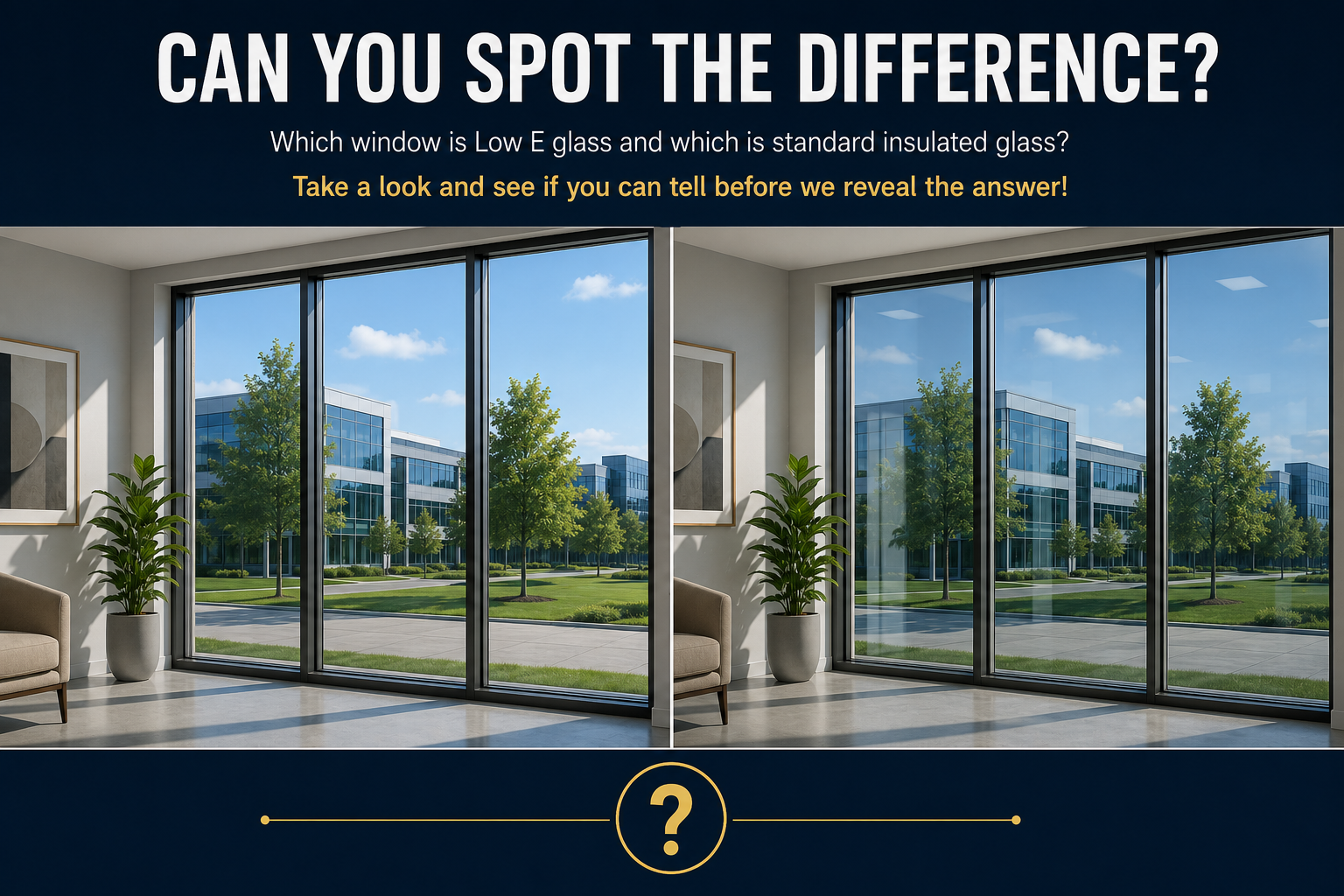
Two windows may look identical.
Both may appear clear.
Both may have similar reflectivity.
Yet one could have a Low E coating while the other does not.
That difference affects everything that comes next.
Window film compatibility.
Glass performance.
Thermal efficiency.
Product recommendations.
Installation methods.
If you identify the glass incorrectly, you risk recommending a solution that may not deliver the expected performance or, in some situations, may not be suitable for that glazing system.
Taking a few minutes to identify the existing glass before making recommendations helps reduce uncertainty and supports more informed decisions.

What Is Low E Glass?
Low E, short for low emissivity, is a microscopically thin metallic coating applied to glass during manufacturing.
Its purpose is to improve the thermal performance of the window by controlling the transfer of radiant heat.
Depending on the type of coating and the climate, Low E glass can help reduce unwanted solar heat gain, improve insulation, or achieve a balance between both.
One important characteristic of modern Low E coatings is that they are designed to be almost invisible.
To the human eye, a standard insulated glass unit and a Low E insulated glass unit often look exactly the same.
That makes visual inspection unreliable.
Why You Cannot Rely on Appearance Alone
Many professionals still attempt to identify Low E glass by looking for color differences or subtle reflections.
While experienced installers may occasionally notice small visual differences, appearance should never be treated as confirmation.
Several factors influence how glass looks, including:
- Time of day.
- Weather conditions.
- Viewing angle.
- Interior lighting.
- Exterior reflections.
- The type of insulated glass unit.
Because these variables constantly change, visual inspection should only be considered an initial observation rather than a definitive identification method.
When Should You Check for Low E Glass?
Not every project requires the same level of investigation.
However, identifying the existing glazing is considered good practice before recommending products that may affect thermal performance or compatibility.
You should consider checking for Low E coatings when:
- Installing window film.
- Replacing insulated glass units.
- Carrying out energy assessments.
- Investigating thermal comfort issues.
- Evaluating existing commercial glazing.
- Inspecting buildings where construction records are unavailable.
Identifying the glass early in the consultation helps establish a clearer starting point for the rest of the project.
Common Methods Used to Identify Low E Glass
There are several approaches professionals use in the field.
Some are more reliable than others.
| Method | Reliability | Suitable for Professional Use |
|---|---|---|
| Visual inspection | Low | Only as an initial observation. |
| Reviewing building documentation | Moderate | Useful when accurate records are available. |
| Contacting the window manufacturer | Moderate | Depends on available records and window age. |
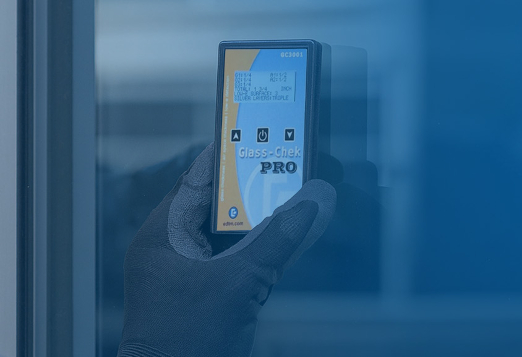
| Using specialized glass diagnostic equipment | High | Provides immediate information during site inspections. |
Professional diagnostic equipment offers the advantage of providing information on site without waiting for drawings, manufacturer records, or destructive testing.
That makes it particularly useful during surveys, customer consultations, and retrofit projects.
Start Every Inspection With Observation
Before reaching for any testing equipment, spend a few minutes observing the building.
Notice the orientation of the windows.
Look for signs of replacement glazing.
Check whether different elevations appear to use different glass types.
Ask questions such as:
- When was the building constructed?
- Have the windows been replaced previously?
- Has window film already been installed?
- Are some rooms noticeably warmer than others?
These observations help build context before any measurements are taken.
Professional testing confirms your findings.
It should not replace careful observation.

How Professionals Identify Low E Glass Without Removing the Window
There is no single method that works in every situation.
The age of the building, the type of glazing, available documentation, and the purpose of the inspection all influence how you should approach the job.
For that reason, experienced professionals rarely rely on one technique alone.
Instead, they combine observation with verification.
The following approach provides a structured way to identify Low E glass while avoiding unnecessary assumptions.
Step 1. Review What You Already Know
Before testing the glass, gather as much background information as possible.
If the building owner has access to window schedules, specifications, or maintenance records, those documents may indicate the glazing system that was originally installed.
Useful information includes:
- Building construction date.
- Window replacement history.
- Previous energy efficiency upgrades.
- Existing window film installations.
- Original glazing specifications.
Although documentation can provide valuable context, it should not be treated as confirmation.
Buildings change over time.
Windows are replaced.
Films are installed.
Glass units are upgraded.
Whenever possible, verify the information during the site inspection.
Step 2. Perform a Visual Assessment
Once you understand the building's history, inspect the windows.
Although appearance alone cannot confirm a Low E coating, it can help identify details that deserve further investigation.
Look for:
- Differences in glass color between elevations.
- Variations in external reflectivity.
- Signs that individual insulated glass units have been replaced.
- Existing window film.
- Manufacturer labels or etched markings.
These observations help you understand what you are working with before introducing testing equipment.
Avoid making recommendations based solely on visual appearance.
Many modern Low E coatings are intentionally designed to be almost impossible to detect with the naked eye.


Step 3. Confirm Your Findings With Diagnostic Equipment
Once the initial inspection is complete, use professional diagnostic equipment to verify the glazing.
This is the most reliable way to identify Low E coatings during a site visit without removing the glass.
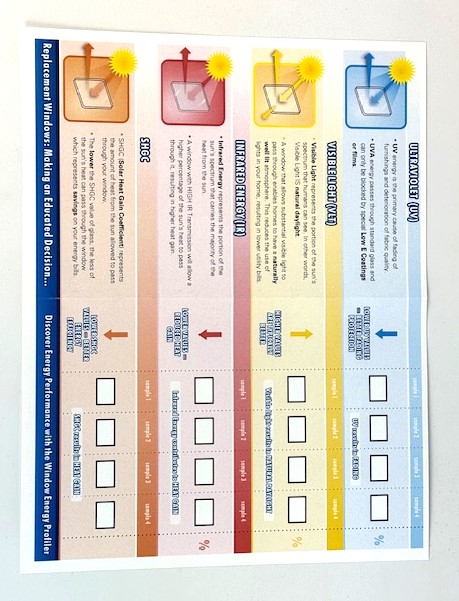
Unlike visual inspection, specialized instruments evaluate the glass directly, helping professionals determine whether a Low E coating is present and, depending on the equipment being used, identify additional glazing characteristics that may influence product selection.
Using diagnostic equipment offers several advantages.
- Results are available immediately during the consultation.
- Recommendations are based on measured information rather than assumptions.
- Building records are not always required.
- Existing glazing can be assessed without removing the window.
For companies that regularly specify window film or replacement glazing, accurate identification can improve both confidence and efficiency during customer consultations.

.jpg)
Common Mistakes When Identifying Low E Glass
Even experienced professionals occasionally rely on shortcuts.
While these approaches may appear to save time, they can introduce unnecessary risk into the recommendation process.
The following mistakes are among the most common.
| Common Mistake | Why It Can Lead to Problems | Better Practice |
|---|---|---|
| Assuming every modern building has Low E glass | Construction standards vary by location, project, and renovation history. | Verify the existing glazing before making recommendations. |
| Relying only on visual appearance | Many Low E coatings are almost invisible. | Combine observation with diagnostic testing. |
| Depending entirely on building records | Windows may have been replaced after construction. | Confirm findings during the inspection. |
| Ignoring previous window film installations | Existing films may influence future product recommendations. | Inspect the glazing before proposing additional products. |
| Recommending products before identifying the glass | Product compatibility and performance may be affected. | Complete the inspection before discussing solutions. |
Why Accurate Glass Identification Matters
Identifying Low E glass is not simply a technical exercise.
It influences decisions throughout the project.
Accurate identification can help professionals:
- Recommend products that are compatible with the existing glazing.
- Improve the quality of energy assessments.
- Reduce uncertainty during customer consultations.
- Support specification decisions with measurable information.
- Build greater confidence in the final recommendation.
For customers, the inspection demonstrates that recommendations are based on evidence rather than assumptions.
For professionals, it provides a stronger foundation for every conversation that follows.
Expert Tip
Treat every inspection as an investigation rather than a product demonstration.
The objective is not to prove that a particular solution is the right one.
The objective is to understand the existing glazing first.
Once you understand what is already installed, recommending the most appropriate solution becomes much easier.
Field Checklist for Identifying Low E Glass
Before recommending window film, replacement glazing, or an energy efficiency upgrade, use this checklist to help ensure the existing glass has been properly assessed.
Initial Inspection
☐ Confirm the purpose of the inspection.
☐ Identify the customer's primary concern.
☐ Record the building type and approximate construction year.
☐ Ask whether the windows have been replaced previously.
☐ Ask whether window film has been installed before.

Visual Assessment
☐ Check for manufacturer labels or etched markings.
☐ Compare glass appearance across different elevations.
☐ Look for signs that insulated glass units have been replaced.
☐ Note any visible differences in colour or reflectivity.
☐ Inspect for existing window film.
Remember that these observations provide useful context but should not be treated as confirmation of a Low E coating.
Verification
☐ Confirm the glazing using professional diagnostic equipment.
☐ Record the inspection results.
☐ Photograph the glazing if required for the project record.
☐ Verify that the findings support the proposed recommendation.
Frequently Asked Questions
Can Low E glass be identified without removing the window?
Yes.
Professional diagnostic equipment allows Low E coatings to be identified during a site inspection without removing the glazing. While visual observations may provide useful clues, they should always be confirmed using an appropriate testing method.
Is visual inspection enough?
No.
Modern Low E coatings are designed to have minimal impact on the appearance of the glass.
Two insulated glass units may look almost identical while performing very differently.
Visual inspection should be considered part of the assessment rather than the final answer.
Why is identifying Low E glass important before installing window film?
Different glazing systems respond differently to solar heat and thermal stress.
Understanding the existing glass helps professionals recommend products that are appropriate for the application and avoids making assumptions during the consultation.

Can building drawings confirm the glass type?
Building documentation can provide valuable background information.
However, buildings are often renovated, windows are replaced, and glazing systems are upgraded over time.
Whenever possible, confirm the existing glass during the site inspection rather than relying solely on original drawings.
Who should identify Low E glass?
Glass identification is useful for anyone involved in evaluating or recommending glazing solutions, including:
- Window film installers.
- Glazing contractors.
- Window manufacturers.
- Building consultants.
- Energy auditors.
- Architects.
- Facilities management professionals.
Test Your Knowledge
Use these questions to check your understanding before your next site inspection.
Question 1
Why should Low E glass be identified before recommending a product?
- A. It makes the inspection look more professional.
- B. It helps ensure recommendations are based on the existing glazing rather than assumptions.
- C. It shortens installation time.
- D. It replaces the need for customer discussions.
Correct Answer: B
Question 2
Which method provides the most reliable confirmation of a Low E coating during a site inspection?
- A. Looking at the reflection.
- B. Comparing the color of the glass.
- C. Using professional glass diagnostic equipment.
- D. Estimating based on the age of the building.
Correct Answer: C
Question 3
Why should building records be verified during an inspection?
- A. They are never accurate.
- B. Buildings often undergo renovations and window replacements after construction.
- C. Customers rarely keep them.
- D. Diagnostic equipment cannot be used without them.
Correct Answer: B
Question 4
Which observation should be made before using diagnostic equipment?
- A. The customer's budget.
- B. Whether the proposal has been approved.
- C. Existing glazing, window condition, and previous modifications.
- D. Installation scheduling.
Correct Answer: C
Question 5
What is the main objective of identifying Low E glass?
- A. To sell more products.
- B. To determine whether the existing glazing supports the proposed recommendation.
- C. To replace laboratory testing.
- D. To reduce the length of customer appointments.
Correct Answer: B
Key Takeaways
Correctly identifying Low E glass is one of the first steps in making informed recommendations about window film, replacement glazing, or energy efficiency improvements.
Although visual inspection and building records provide useful background information, they should not be treated as confirmation.
Professional diagnostic equipment allows glazing to be evaluated during the inspection, helping professionals base recommendations on measured information rather than assumptions.
Following a structured inspection process also improves consistency, particularly when multiple team members are involved in surveys or customer consultations.
The more reliable your assessment, the more confidence you can have in the recommendation that follows.
Continue Your Learning
Identifying the glass is only the first step.
The next challenge is understanding what the measurements actually mean and how they influence product selection.
Continue with the next guide:
How to Measure Window Performance Before Recommending Window Film
In the next article, you'll learn:
- Which window performance measurements matter most.
- How professionals evaluate existing glazing during site inspections.
- Why accurate measurements lead to better recommendations.
- Common mistakes made during window performance assessments.
Add an internal link once the article is published.