
Knowledge Center
5 Glass Testing Skills Every Window Film Professional Should Learn
Quick Answer
Window film professionals need more than installation skills. They also need to understand the glass they are working with.
Developing these skills helps professionals gather better information before making product recommendations or beginning an installation.
Installation Skills Are Only Part of the Job
Learning how to install window film takes practice.
Cutting accurately.
Preparing glass.
Handling film.
Managing edges.
Removing contamination.
Finishing an installation cleanly.
These are essential skills.
But there is another set of skills that professionals need before the installation even begins.
Glass testing.
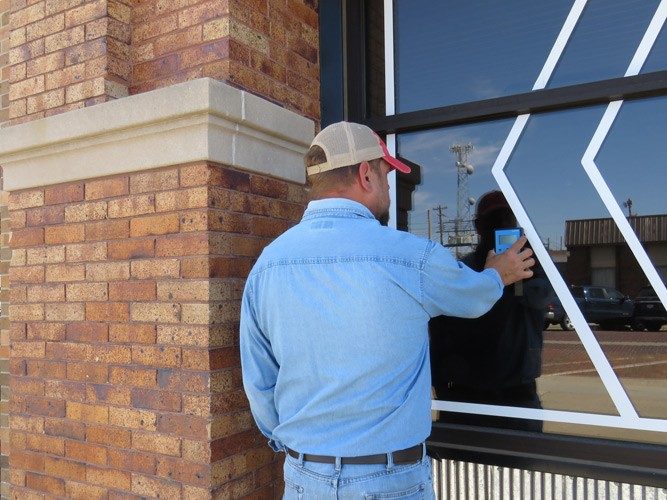
A technically skilled installer should be able to look at a window and recognise that there are questions that appearance alone cannot answer.
What type of glazing is installed?
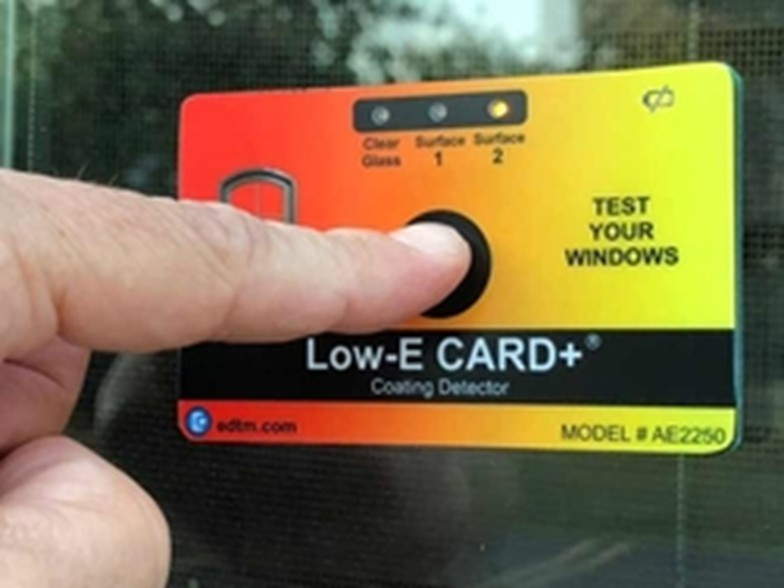
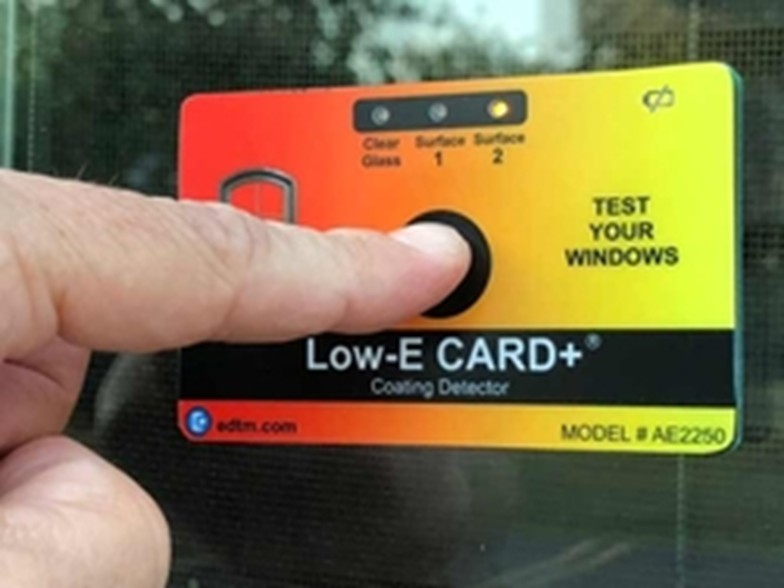
Is there a Low E coating?
Is window film already present?
How much visible light passes through the existing glazing?
Are all the windows actually the same?
Knowing how to investigate those questions can be just as important as knowing how to apply the film.
Why Glass Testing Skills Matter
Window film becomes part of an existing glazing system.
That means the condition and construction of the glass matter before a product is selected.
Without the ability to evaluate the existing glazing, professionals may rely too heavily on assumptions.
A window looks clear, so it must be untreated.
A building is relatively new, so it must have Low E glass.
All windows look identical, so they must have the same construction.
The customer says no film has been installed, so the glass must be original.
Any of these assumptions could be wrong.
Glass testing skills allow professionals to replace those assumptions with information.
The objective is not to turn every installer into a laboratory technician.
It is to know what questions should be asked, which characteristics should be checked, and when additional technical guidance is needed.
Skill 1. Identifying Low E Coatings
Low E identification is one of the most useful diagnostic skills for professionals working with modern glazing.
Low E, or low emissivity, coatings are designed to influence radiant heat transfer through glass.
The challenge is that these coatings may be difficult to identify visually.
A window can appear completely clear while still containing a Low E coating.
This means appearance alone should not be treated as confirmation.
Professionals should understand:
- What Low E glass is.
- Why Low E coatings are used.
- Why coating location can matter.
- Why visual inspection has limitations.
- When specialized diagnostic equipment should be used.
The important skill is not simply knowing how to operate a Low E detector.
It is understanding why you are testing for Low E and what the result means for the assessment.
Add internal link: How to Identify Low E Glass Without Removing the Window.
Skill 2. Measuring Visible Light Transmission
Visible Light Transmission, commonly called VLT, describes the amount of visible light passing through glazing.
This measurement is particularly useful for window film professionals because visual appearance can be misleading.
Lighting conditions change.
Glass can have its own tint.
Existing window film may already affect light transmission.
Two windows that look similar may produce different measurements.
A tint meter provides an objective VLT reading that can be recorded and compared.
Professionals should understand how to:
- Establish an existing VLT baseline.
- Take measurements consistently.
- Record readings during an inspection.
- Explain VLT in language customers understand.
- Recognise when VLT alone does not answer the inspection question.
That last point matters.
A tint meter is designed to answer a specific question.
It should not be expected to identify every characteristic of the glazing.
Knowing the limits of your equipment is part of knowing how to use it correctly.
Add internal link: When Should You Use a Tint Meter?
Skill 3. Understanding Glass Thickness and Glazing Construction
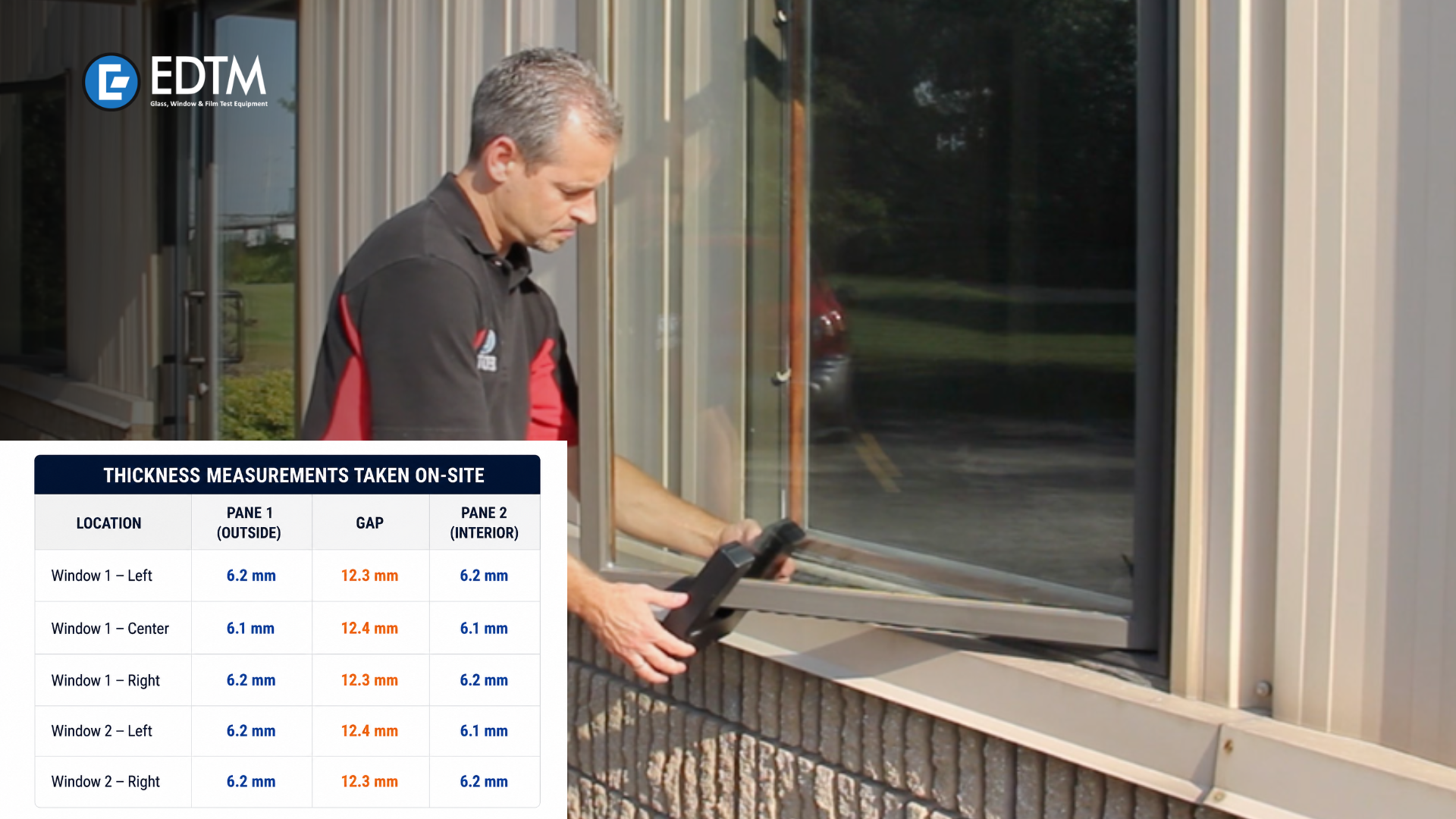
Knowing how thick the glass is can provide useful information during an inspection, particularly when original specifications are unavailable.
Professionals may also need to determine whether they are working with single pane glass, an insulated glass unit, or another glazing construction.
This can be difficult when the glass is already installed.
Removing a window simply to investigate its construction is rarely practical.
Professional diagnostic equipment can help gather information about the glazing without requiring destructive investigation.
The skill is not simply taking a measurement.
It is knowing how that measurement contributes to understanding the window.
For example, glass thickness information may support a broader assessment when combined with observations about Low E coatings, existing film, and other glazing characteristics.
Think of each measurement as one piece of a larger picture.
Do Not Learn These Skills in Isolation
Low E detection.
VLT measurement.
Glass thickness.
Each is useful.
But professional glass assessment becomes much stronger when these skills work together.
Imagine inspecting a commercial building where several windows appear identical.
A visual inspection suggests nothing unusual.
Then testing reveals different VLT readings between two elevations.
Further investigation shows that replacement glazing has been installed in part of the building.
That changes the assessment.
This is why professionals should avoid thinking:
"Which meter do I need?"
and instead ask:
"What am I trying to learn about this glass?"
Once the question is clear, selecting the appropriate diagnostic method becomes much easier.
Skill 4. Recognizing Existing Window Film and Glazing Variations
Not every window film project begins with untreated glass.
Existing window film may already be installed, particularly in older residential properties, commercial buildings, and properties that have changed ownership.
The current owner may not even know it is there.
This creates an important question before recommending another product:
What are you actually looking at?
Professionals should learn how to recognize signs that film may already be present and know when further investigation is required.
Potential clues may include differences in appearance, edges, reflectivity, or performance between windows.
However, visual observations should be treated as clues rather than automatic confirmation.
The objective is to establish the existing condition of the glazing before deciding what should happen next.
Learn to Spot Differences Across the Same Property
Recognizing existing film is only part of this skill.
Professionals also need to recognize when glazing may vary across a building.
A commercial property might have been renovated several times.
A homeowner may have replaced only a few damaged windows.
One elevation could contain newer insulated glass units while another retains the original glazing.
Everything may look similar from a distance.
That does not mean everything is the same.
When measurements or observations differ unexpectedly, investigate before assuming the equipment or reading is wrong.
An unusual measurement may be telling you something important about the building.
Skill 5. Choosing the Right Diagnostic Method
Owning several meters does not automatically make someone good at glass diagnostics.
The real skill is knowing which question each tool can answer.
Before taking a measurement, ask:
What am I trying to determine?
If the question is about visible light, a VLT measurement may be appropriate.
If the question is whether Low E is present, you need a method designed for Low E detection.
If you need information about glass thickness, use equipment designed to measure glass thickness.
Different questions require different diagnostic approaches.
Question You Need to Answer | Information Required |
|---|---|
How much visible light passes through this glazing? | Visible Light Transmission |
Is a Low E coating present? | Low E detection |
Where is the Low E coating located? | Appropriate coating identification method |
How thick is the glass? | Glass thickness measurement |
Is window film already installed? | Existing film assessment |
Are all windows in this building the same? | Representative testing and comparison |
Add internal links to the relevant EDTM product pages.
Start With the Question, Not the Meter
This is one of the most important habits a professional can develop.
Do not arrive at a window and immediately start taking measurements simply because you have the equipment available.
Start with the problem.
For example, imagine a customer says:
"This side of the building gets much hotter in the afternoon."
That statement does not immediately tell you which meter to use.
First, investigate.
Are the windows the same?
Has one elevation been replaced?
Is Low E present?
Has window film already been installed?
Are there noticeable differences between the glazing?
Once you understand the question, you can decide what information needs to be collected.
The equipment supports the investigation.
It does not replace it.
How the Five Skills Work Together
The five skills covered in this guide are most useful when they become part of one assessment process.
1. Observe
Start by looking at the windows and understanding the project.
Notice differences.
Ask questions.
Review available information.
2. Identify
Determine what you need to know about the glazing.
Do not test simply for the sake of collecting measurements.
3. Measure
Use the appropriate diagnostic equipment to gather the information required.
4. Compare
Look for differences between measurements, windows, elevations, or previously documented information.
5. Interpret
Consider what the findings mean for the project before recommending a solution.
This creates a simple but important habit:
Observe. Identify. Measure. Compare. Interpret.
Measurements Need Context
Numbers by themselves are rarely enough.
Imagine recording a VLT measurement during an inspection.
The number is useful.
But its value increases when you also know:
- Which window was measured.
- Where the window is located.
- Whether film is already installed.
- What glazing construction is present.
- Why the measurement was taken.
Without context, a notebook full of measurements can quickly become difficult to interpret.
Professional testing should therefore include documentation.
For larger projects, record measurements against individual windows, rooms, or elevations.
Photographs can also provide useful reference points when the installation occurs days or weeks after the initial assessment.
Know the Limits of What You Are Measuring
Technical confidence does not mean pretending to know everything.
It means understanding what your equipment can and cannot tell you.
A VLT reading does not automatically identify a Low E coating.
A Low E detector does not answer every question about window performance.
Glass thickness alone does not tell you everything about an insulated glass unit.
Each measurement contributes specific information.
When something falls outside the scope of the equipment or your expertise, seek additional technical guidance.
That is good professional practice.
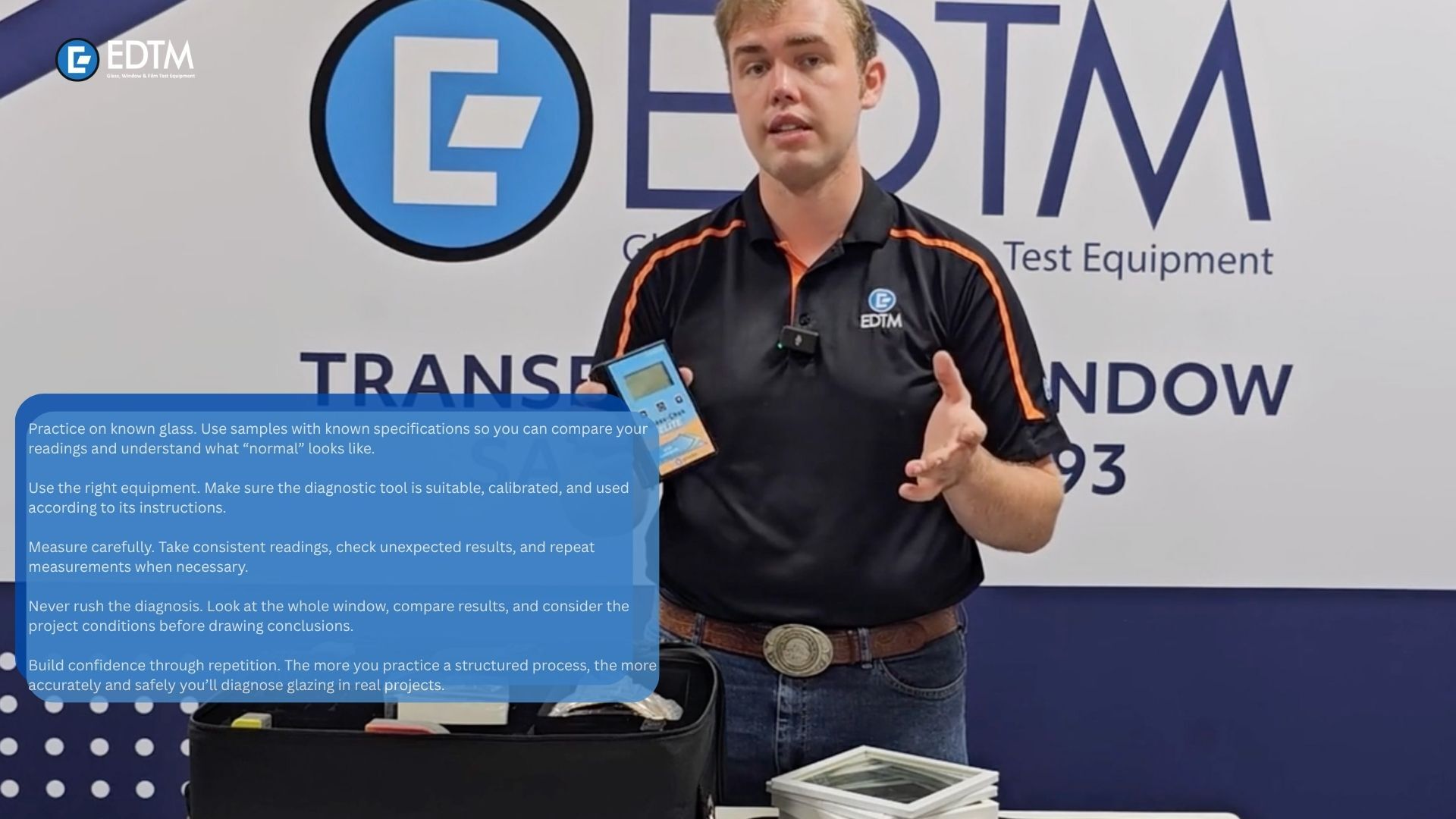
Practice Builds Diagnostic Confidence
Reading about glass testing is useful.
Actually performing the measurements is where understanding develops.
Practice on different types of glazing.
Compare untreated glass with filmed glass.
Take measurements on different insulated glass units.
Observe how different glazing constructions produce different findings.
Most importantly, learn to interpret what the equipment is telling you rather than simply recording a number.
Over time, the process becomes more natural.
You begin recognizing which questions need to be asked before you reach for a diagnostic instrument.
That is the difference between owning testing equipment and developing glass testing skills.
Glass Testing Is a Skill You Continue Developing
There is always another glazing configuration to encounter.
Another coating technology to understand.
Another unusual project that challenges what you already know.
That is why glass diagnostics should not be treated as something you learn once.
The fundamentals create the foundation.
Field experience builds on it.
Continuous education helps keep that knowledge current as glazing and window film technologies evolve.
Five Skill Glass Testing Checklist
Use this checklist as a quick reference when developing your glass testing skills or preparing for an assessment.
The objective is not to perform every test on every window. It is to understand what information the project requires and choose the appropriate method for gathering it.
Skill 1. Low E Identification
☐ Understand what Low E coatings are designed to do.
☐ Know why appearance alone cannot reliably confirm a Low E coating.
☐ Understand when Low E identification is relevant to the project.
☐ Know which diagnostic method is appropriate for Low E detection.
☐ Record findings when they may influence the recommendation.
Add internal link: How to Identify Low E Glass Without Removing the Window.
Skill 2. Visible Light Transmission
☐ Understand what VLT measures.
☐ Know when an existing VLT baseline is useful.
☐ Take measurements consistently.
☐ Record where each measurement was taken.
☐ Understand that VLT does not identify every characteristic of the glazing.
Add internal link: When Should You Use a Tint Meter?
Skill 3. Glass Thickness and Construction
☐ Understand the basic differences between common glazing constructions.
☐ Know when glass thickness information is required.
☐ Avoid estimating thickness based on appearance.
☐ Use an appropriate measurement method when specifications are unavailable.
☐ Consider thickness information alongside other findings.
Skill 4. Existing Film and Glazing Variations
☐ Look for evidence of previously installed window film.
☐ Ask whether windows have been replaced or upgraded.
☐ Compare different areas of the property when variations are suspected.
☐ Investigate unexpected differences rather than dismissing them.
☐ Document different glazing configurations when they are discovered.
Skill 5. Choosing the Right Diagnostic Method
☐ Define the question before selecting the equipment.
☐ Understand what each diagnostic instrument measures.
☐ Know the limitations of each measurement.
☐ Combine different findings when the project requires a broader assessment.
☐ Seek additional technical guidance when the available information is not sufficient.
Create a downloadable EDTM Five Glass Testing Skills Field Guide.
Common Glass Testing Mistakes
Learning how to operate diagnostic equipment is important.
Learning how to avoid incorrect assumptions is even more important.
Common Mistake | Why It Matters | Better Practice |
|---|---|---|
Testing without defining the question | You may collect information that does not help the assessment. | Decide what you need to know before selecting a diagnostic method. |
Relying on visual appearance | Modern glazing characteristics may not be visible. | Verify important characteristics using an appropriate method. |
Expecting one instrument to answer every question | Different instruments measure different characteristics. | Match the diagnostic method to the question. |
Checking only one window | Different glazing may exist within the same building. | Compare representative windows when variations are suspected. |
Recording measurements without locations | Results become difficult to interpret later. | Connect each measurement to a specific window, room, or elevation. |
Ignoring unexpected readings | An unusual result may indicate different glazing. | Investigate before assuming the measurement is incorrect. |
Treating measurements as recommendations | A number still requires professional interpretation. | Consider the measurement within the complete glazing assessment. |
Frequently Asked Questions
What glass testing skills should a window film installer learn first?
Start with the skills most relevant to the projects you regularly encounter.
For many window film professionals, this includes understanding basic glazing construction, identifying Low E coatings, measuring Visible Light Transmission, recognising existing film, and knowing when different diagnostic methods are required.
The objective is not to learn every possible glass testing technique immediately.
Build a strong foundation and continue developing your knowledge through training and field experience.
Do window film installers need to understand glass?
Yes.
Window film becomes part of an existing glazing system, so understanding the glass provides important context before a product is recommended or installed.
An installer does not need to become a glass engineer, but should understand enough to recognize common glazing configurations and know when additional investigation is required.
What is the most important glass testing tool?
There is no single instrument that answers every inspection question.
The right tool depends on what you are trying to determine.
If you need to measure Visible Light Transmission, use equipment designed for VLT measurement.
If you need to identify a Low E coating, use an appropriate Low E detection method.
If glass thickness is the question, use equipment designed for that measurement.
Start with the question, then select the tool.
Can experienced installers rely on visual inspection?
Experience can help professionals recognize clues, but visual inspection has limitations.
Many modern glass coatings and glazing characteristics are difficult to identify accurately by appearance alone.
Professional judgement should help determine when testing is necessary, rather than replace testing altogether.
Should every window on a building be tested?
Not necessarily.
The appropriate testing approach depends on the size and complexity of the project.
If there is reason to believe different glazing systems exist within the building, representative testing across different windows or elevations may help identify those variations.
How can new window film professionals practic e glass testing?
Begin by learning what each measurement means before focusing on the equipment.
Practice on known glazing samples when possible.
Compare different glass constructions.
Take VLT measurements on untreated and filmed glass.
Learn how Low E detection works.
Record your observations and compare them with known specifications.
Practical training becomes much more valuable when you understand why each test is being performed.
Test Your Knowledge
Question 1
What should you determine before choosing a glass testing instrument?
A. Which instrument is newest.
B. What question you are trying to answer about the glass.
C. How quickly the test can be completed.
D. Which instrument has the largest display.
Correct Answer: B
Question 2
Which measurement tells you how much visible light passes through glazing?
A. Glass thickness.
B. Low E location.
C. Visible Light Transmission.
D. Surface temperature.
Correct Answer: C
Question 3
Why might several windows within the same building need to be compared?
A. Every window must always be individually tested.
B. Buildings can contain different glazing because of replacement, renovation, or original specifications.
C. Diagnostic instruments require multiple windows for calibration.
D. Window film changes depending on the room number.
Correct Answer: B
Question 4
What should you do when a measurement is different from what you expected?
A. Ignore it.
B. Take the expected measurement instead.
C. Investigate why the result is different.
D. Assume the equipment is incorrect.
Correct Answer: C
Question 5
Which statement best describes professional glass testing?
A. Take as many measurements as possible.
B. Use one instrument for every inspection.
C. Understand the question, select the appropriate method, record the findings, and interpret them within the project.
D. Rely primarily on visual experience.
Correct Answer: C
Key Takeaways
Glass testing is not about collecting numbers.
It is about understanding the glazing.
Five useful skills can provide a strong foundation for window film professionals:
1. Identifying Low E coatings.
2. Measuring Visible Light Transmission.
3. Understanding glass thickness and glazing construction.
4. Recognizing existing window film and glazing variations.
5. Choosing the appropriate diagnostic method for the question.
The most important habit connecting all five skills is simple:
Start with the question, not the meter.
Understand what you need to learn about the glass.
Choose the appropriate method.
Record what you find.
Interpret the information within the context of the project.
And when the available information is not enough, continue investigating rather than guessing.
Build Your Glass Testing Skills With EDTM University
Glass diagnostic skills develop through a combination of education, practice, and field experience.
Knowing which button to press on an instrument is only the beginning.
Professionals also need to understand what the measurement means, when it should be taken, and how it contributes to a broader assessment of the glazing.
That is where continued technical education becomes valuable.
EDTM University provides educational resources designed to help window film and glass professionals strengthen their understanding of glass identification, Low E coatings, Visible Light Transmission, diagnostic equipment, window performance, and other technical topics encountered in the field.
Whether you are learning the fundamentals or strengthening skills developed over years of experience, there is always another glazing condition worth understanding.
Subscribe to EDTM University and continue building the technical skills you can take into the field.
Insert EDTM University subscription form or CTA.
Insert screenshots of relevant EDTM University glass testing lessons.
Add links to related EDTM University courses and technical resources.
Continue Your Learning
Build on the skills covered in this guide with these EDTM resources:
How to Identify Low E Glass Without Removing the Window
Learn why visual inspection is not enough and how professionals approach Low E identification during field assessments.
Add internal link.
When Should You Use a Tint Meter?
Understand when VLT measurements are useful and what information a tint meter can and cannot provide.
Add internal link.
What Every Window Film Professional Should Know About Glass Before an Installation
Learn what glazing characteristics should be considered before selecting or installing window film.
Add internal link.